
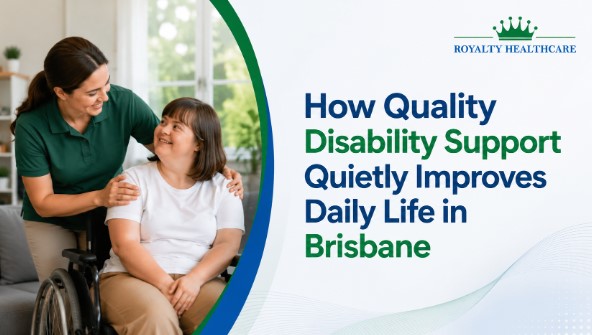


The decision to start working with an NDIS provider is rarely just a transaction; it is the beginning of a relationship that often lasts for years. Done well, it transforms the daily rhythm of a participant’s life and lifts a real weight from their family’s shoulders. Done badly, it adds friction to an already busy life. For families in Brisbane and the wider South-East Queensland region, knowing what genuinely good support actually feels like, beyond the marketing pages and glossy brochures, is the most useful preparation you can have. Drawing on real experience supporting NDIS participants and their families, this guide walks through what to expect, what to look for, and how to recognise the kind of provider worth committing to for the long term.
What Working With a Great Provider Actually Feels Like
Most descriptions of NDIS support focus on services delivered: hours of personal care, types of accommodation, kinds of clinical input. These matter, of course, but they only describe what is done rather than how it actually feels in everyday life.
A great provider feels reliable above all else. The support workers turn up when they say they will. The same friendly faces appear week after week, gradually learning your loved one’s routines, preferences, and quirks. When something needs to change, a named contact answers the phone and acts quickly rather than passing the message into a queue.
It also feels respectful. The participant is treated as an adult with their own preferences, not a list of needs to be managed. Decisions are made with them, not for them, and small things, the way they like their tea, the music they enjoy, the routines that bring comfort, are remembered and honoured. Over time, this kind of support becomes almost invisible. It blends gently into daily life, supporting independence rather than overshadowing it, and that quiet integration is one of the surest signs you have chosen well.
The Building Blocks of Quality Support
Behind every great provider sits a set of foundations that quietly support everything they do. When you compare Ndis registered providers Brisbane participants can trust, these are the building blocks worth looking for carefully:
- Full NDIS Commission registration — Confirms independent oversight and adherence to the NDIS Practice Standards.
- Worker screening and ongoing training — All staff hold current NDIS Worker Screening Checks and complete regular professional development.
- Person-centred care planning — Every plan is tailored to the individual, not pulled from a template.
- A multi-disciplinary team — Support workers, coordinators, nurses, and behaviour practitioners working in one organisation create real coordination.
- Cultural awareness — Genuine respect for diverse backgrounds, languages, and beliefs strengthens day-to-day support.
- Clear, written agreements — Service agreements that set out exactly what is provided, by whom, and how it is funded.
- Robust complaints process — A clear, responsive way to raise concerns reflects an accountable organisation.
These foundations are not glamorous, but they are the bedrock of safe, dignified, effective care. Take the time to ask about each of them during your early conversations, and listen carefully to how confidently each one is explained. A provider who takes them seriously will welcome the questions; one who does not will quickly become evasive.
Why Cultural Awareness Matters in Support
Brisbane and South-East Queensland are remarkably diverse communities, home to families from across the world and to First Nations peoples whose connection to this land runs deep. The best of the Ndis support services Brisbane offers today treat cultural awareness not as an optional extra but as a core part of good practice.
In practical terms, this means support workers who understand and respect the dietary requirements, religious observances, languages, and family structures of the people they support. It means listening carefully to family elders and traditions, and being open to learning rather than assuming. For participants from culturally and linguistically diverse (CALD) backgrounds, having a carer who at least understands the basics of your culture, or shares your language, can transform daily life.
For First Nations participants, cultural safety is essential. It includes recognising the impact of history, honouring connections to family and community, and ensuring support is delivered in ways that strengthen identity rather than overlook it. A provider with genuine cultural awareness builds trust that runs much deeper, and that trust is the foundation of effective, lasting support over the long term. It also tends to lift the experience for the wider family, who can see their traditions and values reflected in the daily care their loved one receives.
What to Expect During Onboarding and Beyond
The first few weeks with a new provider set the tone for everything that follows, so it is worth knowing what good onboarding actually looks like. After the initial conversation and assessment, your provider will draw up a written care plan that reflects what you discussed, including support workers’ shift patterns, key contacts, and the goals you are working towards together.
In the early days, expect frequent communication as the team gets to know your loved one and refines the daily routine. A senior team member should check in regularly during the first month, and any small issues with timing, fit, or preferences should be addressed quickly. This kind of fine-tuning is normal and healthy, not a sign that something is wrong.
Beyond onboarding, a good provider stays attentive over the months and years. Regular reviews mean the support continues to fit as needs change, with adjustments made calmly rather than only at crisis points. Your provider should also support you through NDIS plan reviews, helping you make the strongest case for the funding and supports your loved one will need going forward.
A Practical Checklist for Starting With a New Provider
Once you have chosen a provider, a little preparation makes the first few weeks far smoother for everyone. If you are about to start with a new NDIS provider in Brisbane, use this practical checklist to set the relationship up for success from day one:
- Share your goals clearly — Write down what you most want the support to achieve and discuss it openly at the start.
- Note routines and preferences — Small details about meals, bedtimes, hobbies, and rituals matter enormously to good care.
- Confirm communication channels — Agree how the family will receive updates and who to contact for different kinds of questions.
- Set early review points — Schedule a check-in after the first two and four weeks to assess how things are going.
- Keep a simple care diary — A short note of what worked, what did not, and any changes makes review conversations far easier.
- Discuss emergencies — Confirm exactly what happens out of hours and in any genuinely urgent situation.
- Plan for change — Talk early about how support will adapt as needs evolve, so the conversation feels natural when the time eventually comes.
A little structure at the start prevents most of the friction that families later wish they had avoided altogether.
How Royalty Healthcare Can Help
If you are looking for a provider that genuinely embodies these qualities, Royalty Healthcare is a registered NDIS provider based in Brisbane, serving participants across Ipswich, Logan, the Gold Coast, and the Sunshine Coast. Operating since 2019 from their Strathpine office, they are certified by the NDIS Quality and Safeguards Commission and known for their person-centred, culturally inclusive approach.
Their team brings together support workers, coordinators, nurses, and behaviour support practitioners under one roof, so your supports stay coordinated as needs evolve over time. Services include Supported Independent Living, Short Term Accommodation, complex care, mental health support, community participation, life skills development, nursing, and behaviour support, plus broader NDIS support services tailored carefully to your goals.
What sets Royalty Healthcare apart is their genuine commitment to inclusive, trauma-informed care, supporting CALD communities, First Nations families, and participants from every background with warmth and respect. They are also experienced with high-intensity and complex care, and can move quickly to coordinate supports including hospital discharge when families need it most. For any Brisbane family weighing up options, they offer a friendly, no-obligation conversation to talk through your situation honestly.
Final Thoughts
Choosing an NDIS provider is one of the most consequential decisions a family makes, and the right choice changes daily life in ways that are hard to describe until you actually experience them. Beyond the brochures and bullet points, look for the qualities that really matter: consistency, respect, cultural awareness, clear communication, and a team that quietly does what it says it will. Take your time over the choice, ask the questions that matter, and trust how a provider makes you feel during those early conversations. With the right partner in place, your loved one’s NDIS plan becomes far more than funding; it becomes the start of a life lived with greater independence, dignity, and confidence every single day, and the kind of quiet improvement that families look back on with real gratitude.